What Happens After a Crash?
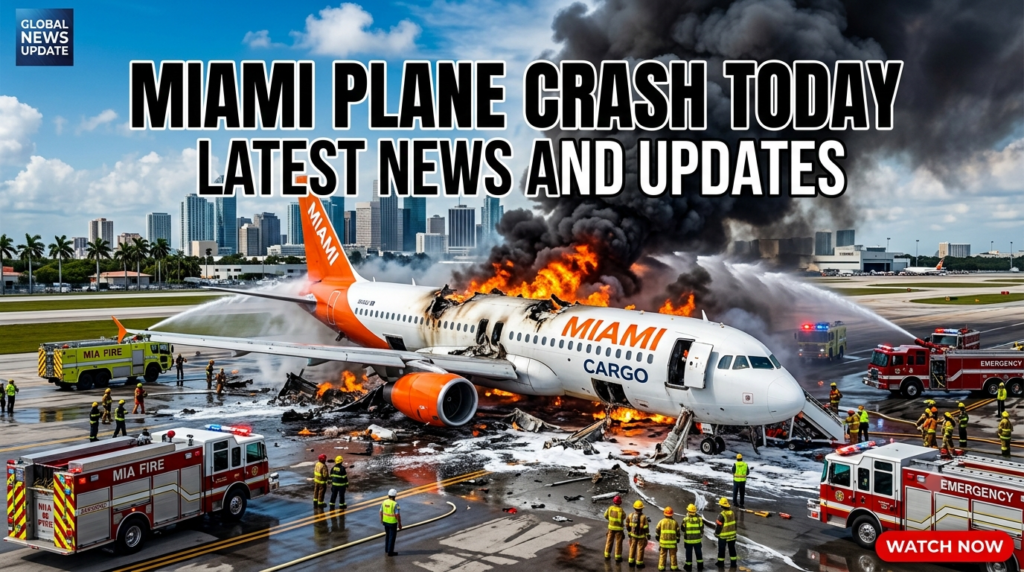
Immediately after a serious aviation accident, emergency services move quickly. Firefighters, police officers, medical teams, airport personnel, and other responders may arrive at the scene within minutes. Their first priority is always to protect lives and control hazards.
A crashed aircraft can create several dangers at once. There may be fire, aviation fuel, damaged structures, smoke, or hazardous cargo. Emergency workers must therefore act carefully while trying to reach anyone who may need help.
For families waiting for information, those first hours can be unbearable. A phone that does not ring can feel louder than any alarm. People may sit in silence, refreshing news websites or waiting for an official announcement.
The Investigation Begins
After an aircraft crash, investigators face the difficult task of determining exactly what happened. Aviation accidents are rarely explained by one simple factor. Sometimes mechanical failure is involved. In other cases, weather, human factors, maintenance problems, runway conditions, communication issues, or a combination of several circumstances may play a role.
Investigators examine almost everything they can recover from the aircraft and the surrounding area. They may study the flight path, communication records, maintenance history, weather conditions, aircraft components, and information from onboard recording systems.
The investigation can take months or even longer.
This is important because early reports can be incomplete. Witnesses may remember events differently, initial information may contain errors, and investigators may discover evidence that changes the understanding of the accident.
⚠️ The First Reports Are Not Always the Final Story
Modern news moves incredibly fast. Within minutes of an accident, photographs and videos can appear on social media. People begin sharing theories, guessing what happened, and sometimes spreading information that has not been verified.A responsible approach is to separate confirmed facts from speculation. Official investigators and aviation authorities generally need time to examine evidence before determining the probable cause.
For ordinary people watching from home, patience can be difficult. We want answers immediately. But in aviation investigations, accuracy matters more than speed.
| TELERGAM-https://t.me/resultpublish |
The Human Side of Aviation Safety
One of the most powerful lessons from any aviation accident is that safety is built from thousands of small decisions.A pilot checking instruments.A mechanic inspecting an engine.A dispatcher reviewing weather.An air-traffic controller communicating with a crew.A ground worker securing equipment.A maintenance team following a checklist.Each action may seem ordinary, but together they form a safety system.When something goes wrong, investigators try to understand not just the immediate event but also the wider chain of circumstances. This approach can help prevent similar accidents in the future.
Why Cargo Plane Crashes Matter
Cargo aviation is sometimes overlooked because passengers do not experience these flights directly. Yet the industry is a major part of everyday life.
Consider the products people order online. Think about emergency medical supplies, fresh food, industrial equipment, or important documents that need to travel quickly across borders. Air cargo keeps businesses and communities connected.
A serious crash can therefore affect more than the people at the airport. It can interrupt supply chains, delay shipments, increase pressure on other transportation networks, and create concerns about aircraft safety.
Remembering the PeoplePerhaps the most important thing to remember after a plane crash is that statistics never tell the whole story.A report may eventually say how many people were onboard or describe the aircraft involved. But numbers cannot explain what a family feels when they lose someone unexpectedly.There may be a parent who will never receive another phone call.A child who will grow up with memories instead of new experiences.A partner who suddenly has to imagine life without the person they expected to come home.There may also be emergency workers who carry the emotional weight of what they witnessed.This is why compassion matters.In the aftermath of a tragedy, people often look for someone to blame. Anger is understandable. Fear is understandable. Grief is understandable. But finding the truth requires careful investigation, evidence, and time.
A City Left Asking Questions
Miami is a city accustomed to movement. Aircraft arrive and depart. Trucks move through terminals. Ships cross the nearby waters. Families travel, businesses trade, and goods move continuously.When a cargo plane crashes, that rhythm is suddenly interrupted.For a while, the airport becomes more than a transportation facility. It becomes the center of attention for investigators, emergency responders, journalists, families, and members of the public searching for answers.The crash may last only seconds, but its consequences can continue for years.The investigation may eventually provide an explanation. Safety recommendations may follow. Procedures may change. Equipment may be redesigned. Training may be updated.And hopefully, somewhere in the future, those changes will prevent another aircraft from experiencing the same chain of events.
Conclusion
A Miami cargo plane crash is more than an aviation story. It is a reminder of how much trust we place in modern transportation—and how devastating it can be when that system fails.
Every flight represents preparation, technology, training, and human responsibility. When an accident occurs, the goal should not simply be to understand what happened yesterday. The greater goal is to make tomorrow safer.
✦ Accidents leave questions. Investigations search for answers. Safety improvements turn those answers into action.
For the families affected, however, no investigation can completely erase the pain of losing someone. Their loved ones were not simply members of a flight crew or names in an accident report. They were people with dreams, relationships, responsibilities, and lives outside the aircraft.That human reality should remain at the heart of every discussion about aviation disasters.
In the end, the most meaningful response to a tragedy is not only remembrance. It is learning, improving, and making sure that every possible lesson is used to protect the people who take to the skies tomorrow.
| FACEBOOK- DAILY PUBLISHhttps://www.facebook.com/share/18zysnLXBU/ |